klusek

Move-in cost calculator

How much cash you need to move in, and what each person pays.

1. Rent and who’s moving in

Any currency works. Use the full rent, not your share.

People moving in

Bigger room, bigger share? Get fair percentages from the rent split calculator and enter them here.

2. Upfront costs

Tick what your landlord and your move need. Each item can be split its own way.

  • 2,000
  • 2,000
  • = 2,000

  • Per person: each applicant usually pays their own fee.

  • = 2,000

    Your move-in budget

    Cash needed to move in

    5,665

    2.8× the monthly rent

    Refundable

    2,000

    deposits you get back

    Not refundable

    3,665

    rent, fees and moving

    You need 5,665 upfront to move in, about 2.8× the monthly rent. Of that, 2,000 is deposits you should get back and 3,665 is spent on rent, fees and the move.

    Who pays what

    Person Pays now Gets back
    Alex 2,832.50 1,000
    Sam 2,832.50 1,000

    When you move out, you should get back 2,000 in deposits (Alex 1,000, Sam 1,000), minus any deductions for damage or unpaid rent.

    Breakdown by item

    Item Total Alex Sam
    First month’s rentSplit equally 2,000 1,000 1,000
    Security deposit refundable Split equally 2,000 1,000 1,000
    Application fees50 × 2 people · Split equally 100 50 50
    Renters insuranceSplit equally 15 7.50 7.50
    Utility deposits and setupSplit equally 150 75 75
    Moving costsSplit equally 600 300 300
    Furniture and household basicsSplit equally 800 400 400
    Total 5,665 2,832.50 2,832.50

    Everything is calculated in your browser and saved only on this device. Your numbers are never sent to us. An estimate, not legal or financial advice: your lease and local law decide what a landlord may charge.

    Moving in together? Klusek’s Shared Expenses keeps track of who paid the deposit and the movers, and shows who owes whom. See how →

    The short answer

    How much money do you need to move in?

    Plan on 2 to 3 times the monthly rent in cash, plus the cost of the move itself. Two months covers the first month’s rent and a security deposit of one month. Three months covers a landlord who also asks for the last month upfront, or a deposit of two months.

    • 2× rent

      First month and a one-month deposit. The minimum in places that cap deposits at one month, like New York and California (for most landlords).

    • 3× rent

      First, last and a one-month deposit, or a deposit of two months. Common where the law sets no cap.

    • + the move

      Fees, a truck or movers, the first payment for insurance and the basics for the kitchen. Budget it on top, not inside the 2× or 3×.

    The move-in cost formula

    Move-in cash = first month + deposit + last month (if asked) + fees + moving + basics

    Fees, moving and furniture are what most people forget. In the example above they add 1,665 on a rent of 2,000, which brings the total to 2.8 times the rent.

    Checklist

    Every move-in cost to budget for

    Not every landlord asks for all of these. Go through the list before you sign, ask what is due and when, and tick the same items in the calculator.

    • First month’s rent. Due when you sign or on move-in day. Moving in mid-month? You may pay only for the days left in the month.
    • Security deposit. Usually one month’s rent, sometimes more. Some states cap it: California at one month for most landlords since July 2024, New York at one month since 2019.
    • Last month’s rent. Some landlords want it upfront. It is rent paid early, not a deposit, so it is not refundable: it covers your final month.
    • Application fees. Background and credit checks, charged per adult. New York caps them at $20 or the actual cost, whichever is less.
    • Holding deposit. Takes the listing off the market while your application is checked. Ask in writing whether it is credited to the first month or the deposit.
    • Broker or agent fee. Can be a month of rent or more. In New York City, since June 2025, the landlord pays the broker the landlord hired.
    • Pet deposit or fee. A deposit comes back, a one-off fee does not. Some landlords add monthly pet rent instead.
    • Renters insurance. Many leases require it. It is usually a monthly bill, so budget the first payment.
    • Utility deposits and setup. Power, gas and internet providers may ask for a deposit or a connection fee when you open an account.
    • Moving costs. A rental truck for a short local move, or movers for a bigger one. Add boxes, tape and a day off work.
    • Furniture and basics. A bed, cleaning supplies, a shower curtain, the first big grocery shop. Write them on a shared shopping list so nobody buys two kettles.

    Keep the list where everyone can see it. A shared shopping list in Klusek holds the household basics, and each of you ticks off what you bought.

    Worked examples

    Move-in costs, split two ways

    The same costs can be split very differently. Two examples, worked out with the calculator above.

    Two roommates, one bigger room

    Maya and Leo rent a two-bedroom flat for 2,400 a month. Maya’s room is bigger, so she pays 55% of the rent and Leo 45%. The landlord asks for the first month, a one-month deposit and a 50 application fee each. The first month and the deposit follow the rent split. Utility setup, the movers and the basics are shared equally.

    Item Total Maya Leo
    First month’s rentBy rent share 2,400 1,320 1,080
    Security deposit refundable By rent share 2,400 1,320 1,080
    Application fees50 × 2 people · Split equally 100 50 50
    Utility deposits and setupSplit equally 200 100 100
    Moving costsSplit equally 400 200 200
    Furniture and household basicsSplit equally 1,000 500 500
    Total 6,500 3,490 3,010

    They need 6,500 in total: Maya pays 3,490 and Leo 3,010. When they move out, 2,400 of it should come back as the deposit, split the same 55/45 way they paid it.

    A couple who split by income

    Jordan and Casey move in together into a place for 1,800 a month. Jordan earns more, so they split the rent 60/40. The landlord wants first and last month and a one-month deposit. Jordan’s dog brings a 300 pet fee, which Jordan pays alone. Moving and the new sofa are shared equally.

    Item Total Jordan Casey
    First month’s rentBy rent share 1,800 1,080 720
    Last month’s rentBy rent share 1,800 1,080 720
    Security deposit refundable By rent share 1,800 1,080 720
    Pet deposit or feePaid by Jordan 300 300 0
    Moving costsSplit equally 500 250 250
    Furniture and household basicsSplit equally 900 450 450
    Total 7,100 4,240 2,860

    They need 7,100 in total: Jordan pays 4,240 and Casey 2,860. Only the deposit, 1,800, is refundable. The last month’s rent is used up in the final month of the lease.

    Not sure what percentage is fair? The split bills by income calculator finds a split like 60/40 from both incomes.

    The security deposit

    How to split the deposit fairly

    The deposit is the biggest refundable item, and the one roommates argue about most when someone moves out. Agree on these three things on day one.

    • Pay it like the rent

      Split the deposit with the same shares as the rent. Whoever has the bigger room has more at stake and gets more back. It is the default in the calculator.

      Best for roommates with different rooms.

    • Damage is paid by who caused it

      When the landlord keeps part of the deposit, take the deduction from the person responsible, and split shared areas like the kitchen by the same shares as the deposit.

      Write it into your roommate agreement.

    • Someone moves out early

      The landlord usually returns the deposit only when the whole lease ends. So the person who moves in pays the leaving roommate their part of the deposit directly, and takes it over.

      Check the room together before the swap.

    Settle it in writing with a roommate agreement: how the deposit is split, who pays for damage and what happens when someone leaves early.

    Save on the move

    How to lower your move-in costs

    Some move-in costs are set by the landlord or the law, but many can be negotiated or avoided.

    1. Ask before you apply. Ask what is due at signing and on move-in day, and whether the application fee is refundable if you are turned down.
    2. Negotiate the deposit. Good credit or a guarantor can lower the deposit, or let you pay it in two or three parts.
    3. Move mid-month. If the landlord prorates the first month, you pay only for the days left, which lowers the cash you need on day one.
    4. Skip the broker. Look for listings rented directly by the owner or the building, so there is no agent fee to pay.
    5. Check your local rules. Several states cap deposits or application fees. Find out what applies where you live before you pay more than you have to.
    6. Move light. Sell or give away what you don’t need, borrow a car from a friend for small loads, and buy furniture second hand.
    7. Share the basics. Plan one shared shopping list for the new place, so the household buys one vacuum cleaner, not two.

    Shared Expenses and Shopping List in Klusek

    Move in calmly, together

    The calculator gives you the numbers once. Klusek keeps track of them after the move: who paid the deposit, who paid the movers, and what the new place still needs.

    • Add the deposit, rent and moving costs, split equally or by percentage
    • One running balance of who owes whom
    • A shared shopping list for the new place
    • Shared to-dos for the move itself

    Free for yourself, no card needed. To share, only one of you needs Klusek Pass: $29.99 a year. Plan the shopping in a shared list →

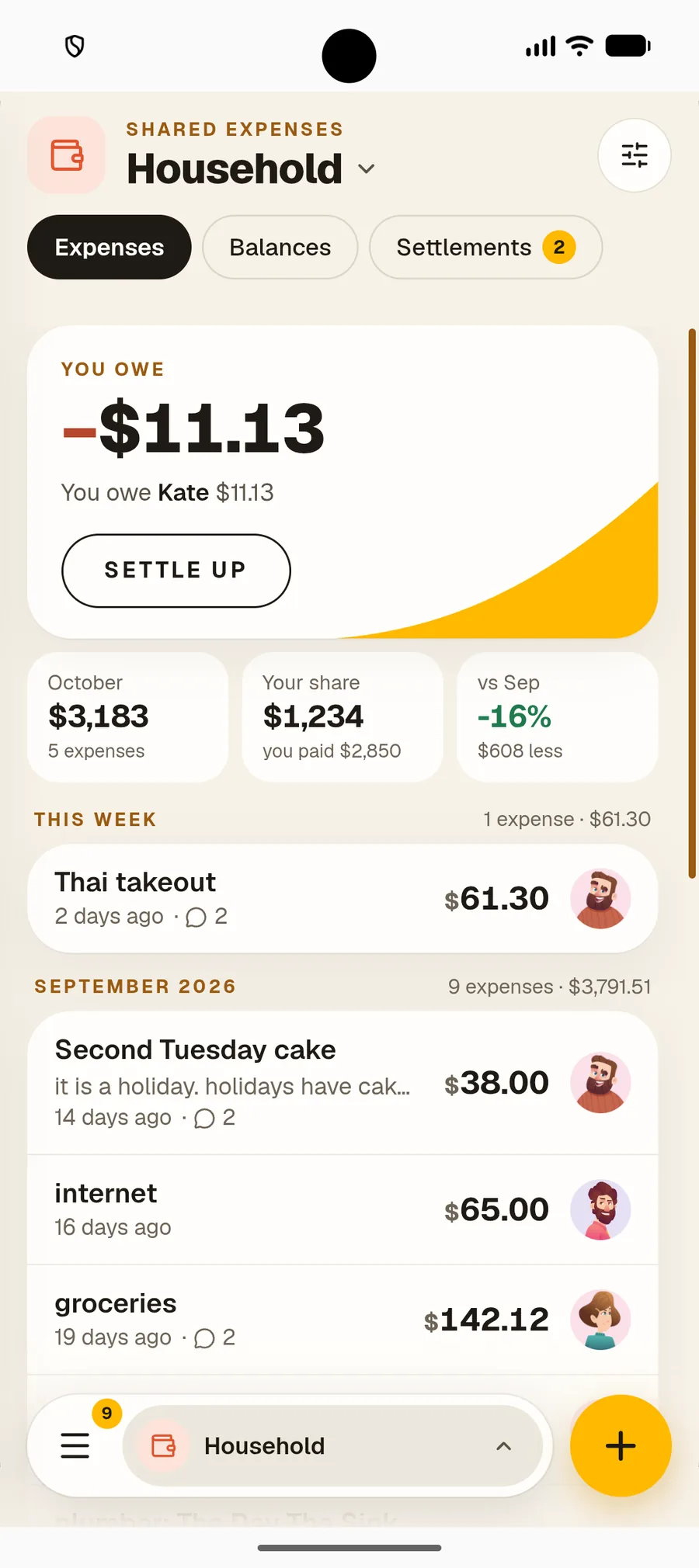
    A household’s shared expenses in Klusek, with the balance of who owes whom and a settle up button

    Common questions

    Move-in costs: FAQ

    How much money do I need to move into an apartment?

    Plan on 2 to 3 times the monthly rent, plus moving costs. Two months covers the first month and a one-month security deposit. Three months covers a landlord who also asks for the last month, or a two-month deposit. Application fees, insurance, a truck and household basics come on top.

    What are typical move-in costs when renting?

    The first month’s rent and a security deposit are almost always due. Depending on the landlord and the city, you may also pay the last month’s rent, application fees, a holding deposit, a broker fee, a pet deposit or fee, and utility deposits. Then there is the move itself: a truck or movers, furniture and basics.

    Is first, last and security normal?

    It is common in places that do not cap deposits, and it means about three months of rent before you get the keys. Where the law caps deposits at one month, like California for most landlords and New York, the total landlords may collect upfront is lower.

    Is the last month’s rent refundable?

    No. The last month’s rent is rent paid in advance: it covers your final month, so you do not pay rent that month. Only deposits, like the security deposit, come back when you move out.

    How do roommates split move-in costs?

    Most roommates split rent-related costs, like the first month and the deposit, with the same shares as the rent. Fees each person is charged, like application fees, are paid by that person. Shared costs, like movers and household basics, are split equally. The calculator lets you choose the split for each item.

    How should a couple split move-in costs?

    Couples either split everything 50/50 or by income, like 60/40, and use the same split for the rent and the deposit. Costs that belong to one partner, like a pet fee or moving their own furniture, are usually paid by that partner.

    What happens to my part of the deposit if I move out early?

    Landlords usually return the deposit only when the lease ends. So when one roommate leaves early, the person who takes the room pays them their part of the deposit directly, after you check the room together.

    Can I get the move-in costs lower?

    Often, yes. Ask to pay the deposit in parts, look for no-fee listings, check whether your state caps deposits or application fees, move mid-month if the first month is prorated, and buy furniture second hand.

    Does this calculator save my numbers?

    Only on your device. The calculator runs in your browser and nothing is sent to us. It remembers your numbers in this browser and puts them in the page address, so you can copy the link and send it to the people moving in with you.

    Can Klusek track who paid what when we move in?

    Yes. In Klusek’s Shared Expenses you add the deposit, the first rent and the moving costs, split them equally or by percentage, and see one balance of who owes whom. A shared shopping list holds what the new place still needs.


    Sources

    Laws change and differ by state and city, so check the rules where you rent. The legal limits and figures on this page come from:

    1. California Civil Code § 1950.5 as amended by AB 12: security deposits capped at one month’s rent from 1 July 2024 (City of San Francisco summary)
    2. New York Housing Stability and Tenant Protection Act of 2019: deposits capped at one month, application fees at $20 (New York State Attorney General guide)
    3. New York City FARE Act, in force since 11 June 2025: the party who hires a broker pays the fee (CBS News)
    4. Average renters insurance cost in the United States, about $13 a month in 2026 (NerdWallet)