

A little ring of red leaves on the floor around the pot is how a lot of poinsettias say goodbye, usually somewhere around New Year's Day. If you're wondering how to keep a poinsettia alive, the good news is that it mostly wants three things: steady warmth, bright light without harsh sun, and not too much water. Get those right and it'll stay bright well into the new year. With a bit of patience, you can even get it to turn red again next Christmas.
Where to put your poinsettia
Poinsettias are tropical plants, and they hate surprises. The RHS recommends bright light but no direct sun, and a fairly steady temperature of about 16–21°C. Keep it away from radiators, and away from cold, draughty spots like an empty fireplace or a windowsill overnight (RHS, checked 23 October 2026).
That's often why they drop leaves so quickly: a chilly walk home from the shop, then a spot right above the radiator. Our post on plants near radiators explains what that dry heat does to houseplants.
A poinsettia likes the same things you do in winter: a warm room, a bright window and no draughts.
How often to water a poinsettia indoors
There's no fixed number of days, because it depends on your room, the pot and the time of year. The RHS advice is simple: keep the compost just moist, and water when the surface feels dry to the touch. Never let it sit in a saucer of water.
In practice:
- Check it with a finger every few days. Dry on top? Water. Still damp? Leave it.
- Water thoroughly, then let it drain. Tip away anything left in the saucer or the decorative foil after ten minutes.
- Lift the pot. A light pot usually needs water; a heavy one doesn't.
Overwatering is the most common way poinsettias are lost in winter. Yellowing leaves and soggy compost are the clues, and our guide to overwatering signs shows what to look for.
Why is my poinsettia dropping leaves?
A few leaves after you bring it home is normal: it's adjusting. If it keeps dropping, check these:
- Cold: a draughty windowsill, an open door, or the trip home in the cold.
- Hot, dry air: a spot right above or next to a radiator.
- Too much water: soggy compost, water sitting in the foil wrap.
- Too little water: wilting, dry compost, leaves curling.
Our post on houseplants dying in winter covers the same culprits for the rest of your plants.
Poinsettia care after Christmas: a month-by-month plan
Keeping a poinsettia alive until next Christmas is very doable. Getting it to turn red again takes a bit of dedication in the autumn. Here's a plan based on advice from the University of Illinois Extension and NC State Extension (both checked 23 October 2026).
January to March: rest. Keep it in a bright spot and water when the surface is dry. Once the coloured leaves fade and drop, water less, just enough to keep the stems from shrivelling, and let it rest somewhere cool and dark (Illinois Extension).
April to May: cut back and repot. When new growth starts, usually around early May, cut the stems back to about 10–15 cm above the soil and move it to a slightly bigger pot if it needs one. Put it in a sunny window, water when dry and feed it now and then with a diluted fertiliser.
June to August: grow. Once nights stay above about 10°C, it can go outside for the summer, eased into the sun over a week or two, with some afternoon shade. Water regularly and feed every couple of weeks. Pinch out the tips of new shoots every three or four weeks until mid-August, so it grows bushy rather than tall.
September: back inside. Bring it in before nights drop to around 13–15°C and give it your sunniest window.
Late September to early December: the dark trick. This is the clever bit. Poinsettias turn colour when nights are long, so they need about 14 hours of complete darkness every night, starting around the beginning of October, and bright light during the day. A cupboard or a big cardboard box works, and even a little light from a lamp can stop it colouring (NC State Extension). Colour usually starts to show after six to eight weeks.
December: enjoy it. Once the coloured leaves are almost fully open, you can stop the dark routine and let it stay out in the light. Back to the beginning.
If the dark-cupboard routine sounds like a lot, that's completely fine. Lots of people simply enjoy theirs as a green houseplant all year, and it's still a lovely one.
A note for pet owners
The ASPCA lists poinsettia as toxic to cats and dogs, but mildly: the sap can irritate the mouth and stomach and sometimes cause vomiting (ASPCA, checked 23 October 2026). Keep it somewhere a curious cat can't chew it, and call your vet if you're worried. If you're choosing a festive plant for a pet home, our guide to plants as Christmas gifts has a few safer ideas.
How Klusek helps us keep it going
In our flat, the poinsettia gets its own page in Klusek's Plant Care, next to the rest of our plants. We set how often it needs water (or note "when the soil is dry"), and Klusek shows when it's due, so a quick look in the morning is enough. Whoever waters it ticks it off, and everyone at home sees it's done.
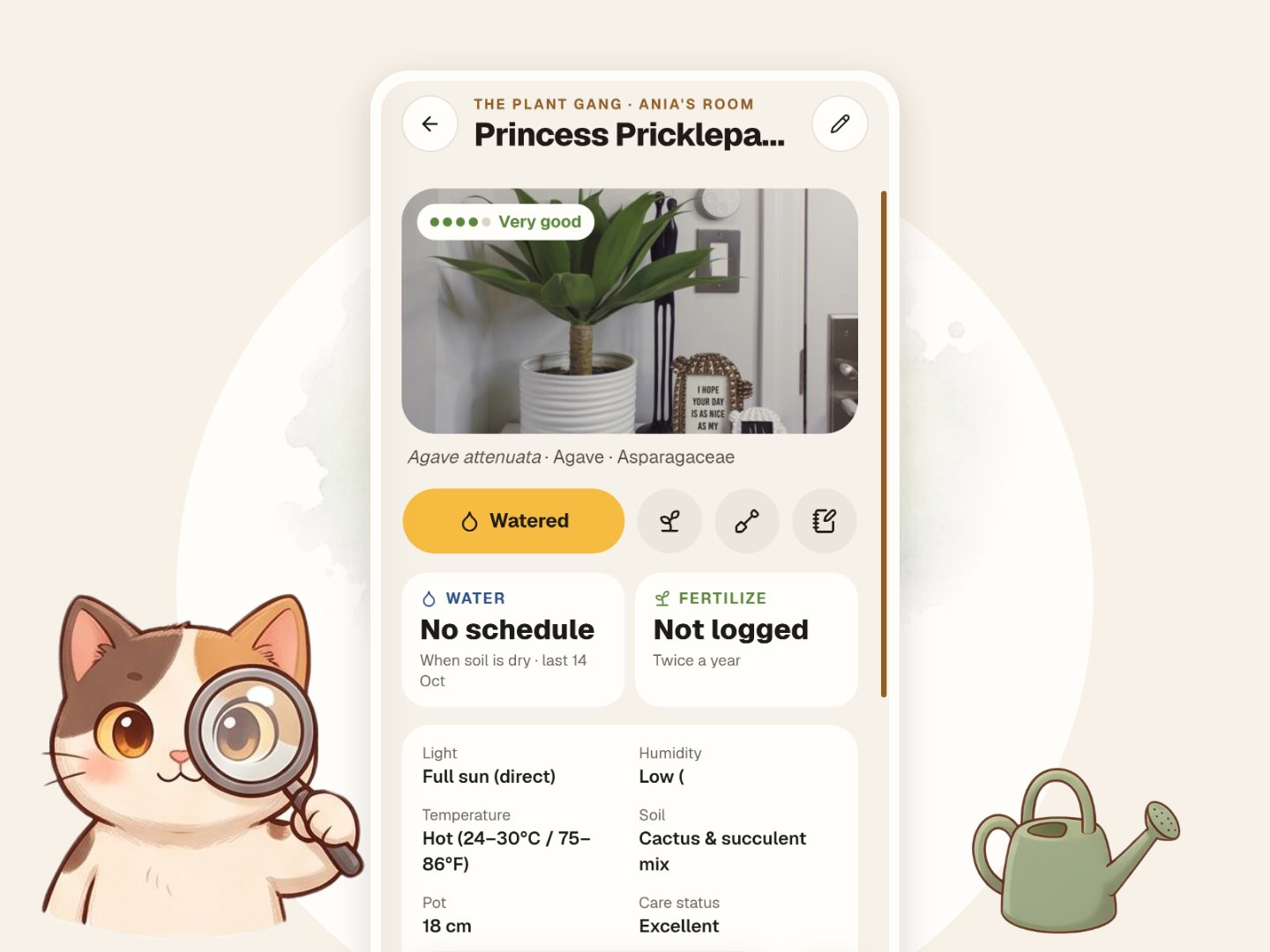
It's also the perfect place for the month-by-month plan above: write "cut back in May" and "dark cupboard from October" in the plant's notes, and it'll be waiting for you when the time comes. Klusek is free when you use it on your own. To share your plants with the people you live with, one of you needs a Klusek Pass, and the people you invite join for free.
See you next December
Whether yours turns red again or simply grows into a leafy green plant, it's a small win either way. So find it a warm, bright spot, check the soil with your finger every few days, and give it a little patience. There's something rather lovely about a Christmas plant that's still with you next Christmas.