

The brightest windowsill in many flats sits right above the radiator, which is a little unfair on the plants. The first cold evening the heating goes on, the calathea starts curling its leaves like it's personally offended. Can you keep plants near a radiator? Some, yes, a little distance helps all of them, and a few should really live somewhere else. Here's how to work out which is which.
Why radiators are hard on houseplants
Two things happen when the heating comes on. The air near the radiator gets hot and very dry, and the soil in a pot sitting on top of it dries out much faster than the soil across the room. The RHS notes that being close to radiators can cause leaves to dehydrate and go brown around the edges, and that central heating dries out indoor air.
The other half of the problem is light. Lots of warmth with not much winter daylight can push a plant into weak, stretched growth. So the spot above a radiator is warm, dry and often bright, which suits some plants and really doesn't suit others.
House plants near radiators: signs it's too much
Have a look at the plants on that sill. If you see these, they'd like to move:
- Brown, crispy leaf edges or tips.
- Leaves curling inwards, especially on calatheas and ferns.
- Soil that's bone dry a day or two after watering.
- Flowers dropping early, on orchids or a Christmas cactus.
- Leaves on the radiator side looking worse than the rest.
Best plants near a radiator
Plants that come from warm, dry places cope best. Even these are happier with a gap than sitting right on top of the heat:
- Snake plant (sansevieria). Tough, likes it warm, fine with dry air.
- ZZ plant. Stores water in its thick stems, so it doesn't mind drying out between waterings.
- Cacti and most succulents, like aloe and agave. Bright and dry is their idea of a good time, as long as they get plenty of light.
- Ponytail palm. Another water-storer that copes with dry air.
Plants that usually struggle near a radiator:
- Calatheas and marantas. They love humid air.
- Ferns, especially Boston and maidenhair.
- Orchids in flower, which can drop their buds in hot, dry air.
- Peace lilies and other thirsty, soft-leaved plants.
Snake plant near a radiator: yes, with a gap
People ask about snake plants a lot, because they're the classic windowsill plant. A snake plant handles warmth and dry air better than most. Keep it a little away from the radiator rather than directly above it, so the soil doesn't bake, and resist watering more just because it's warm. It still needs very little in winter. We wrote a whole guide on how often to water a snake plant in winter.
Warm is fine. It's the hot, dry air right above the radiator that most plants mind.
How to protect plants near radiators
If the radiator sill is the only bright spot you have, a few small changes make a big difference:
- Make a gap. Even 30 centimetres or a shelf to one side helps. A plant stand that lifts the pot out of the rising heat works well too.
- Put something between the pot and the heat. A thick tray or a wooden board under the pot stops the roots cooking.
- Raise the humidity. The RHS suggests standing humidity-loving plants on a tray of moist gravel and grouping plants together.
- Check the soil more often, but don't water on autopilot. Pots near heat dry faster on top. Push a finger in first; the soil further down might still be damp.
- Turn the radiator down on that side if you can, or close the valve a bit on sunny days.
- Watch out for the cold too. At night, a plant trapped behind a drawn curtain on a cold windowsill can get chilly. Pull it into the room.
If your plants are looking a bit sad already, it may be the season and not the radiator. Our post on whether your houseplants are dying in winter, or just resting helps tell the two apart.
How Klusek helps
In our flat, the plants live in Klusek's Plant Care. Each one has its own card with a photo, its name and its species. If you don't know what a plant is, you can snap a photo and Klusek suggests what it is and fills in the details for you. Each plant gets its own watering schedule, and Klusek shows which plants are due today when you open it.
That's handy in the heating season. When you move the snake plant off the radiator sill, you open its card, update it and adjust how often it needs water, so its schedule matches where it lives now. Your partner or housemate sees the same plants and ticks them off too.
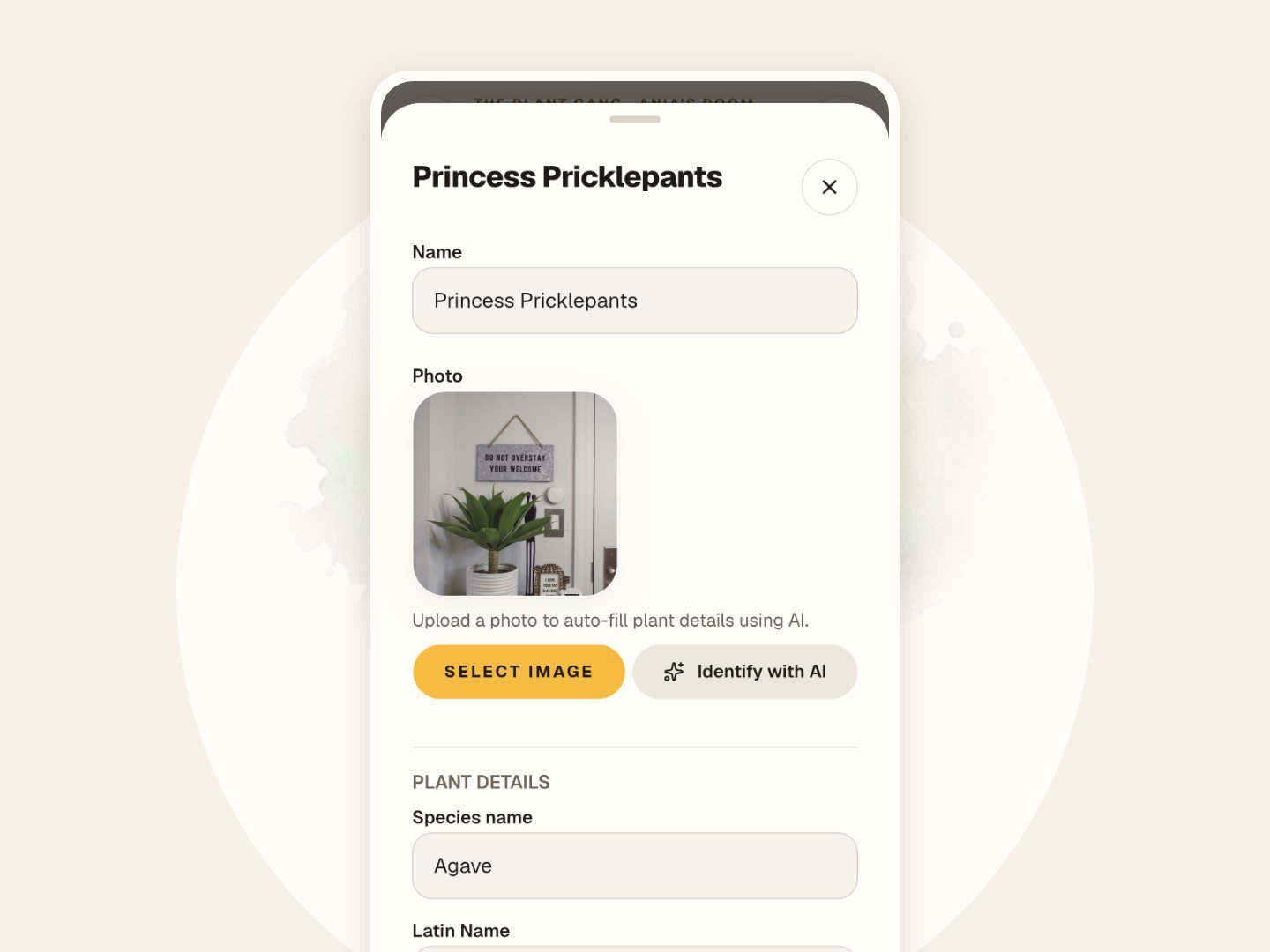
Klusek is free when you use it on your own. To share your plants with the people you live with, one of you needs a Klusek Pass, and the people you invite join for free. For the bigger picture, our guide on how often to water houseplants in winter covers the rest of the collection.
A cosy winter for both of you
You want the heating on, and that's completely fair. Your plants just want a little space from it. Shuffle them around once this weekend, give the humidity-lovers a tray of pebbles, and they'll get through to spring nicely, probably looking better than you do in February.